The river appears in fragments
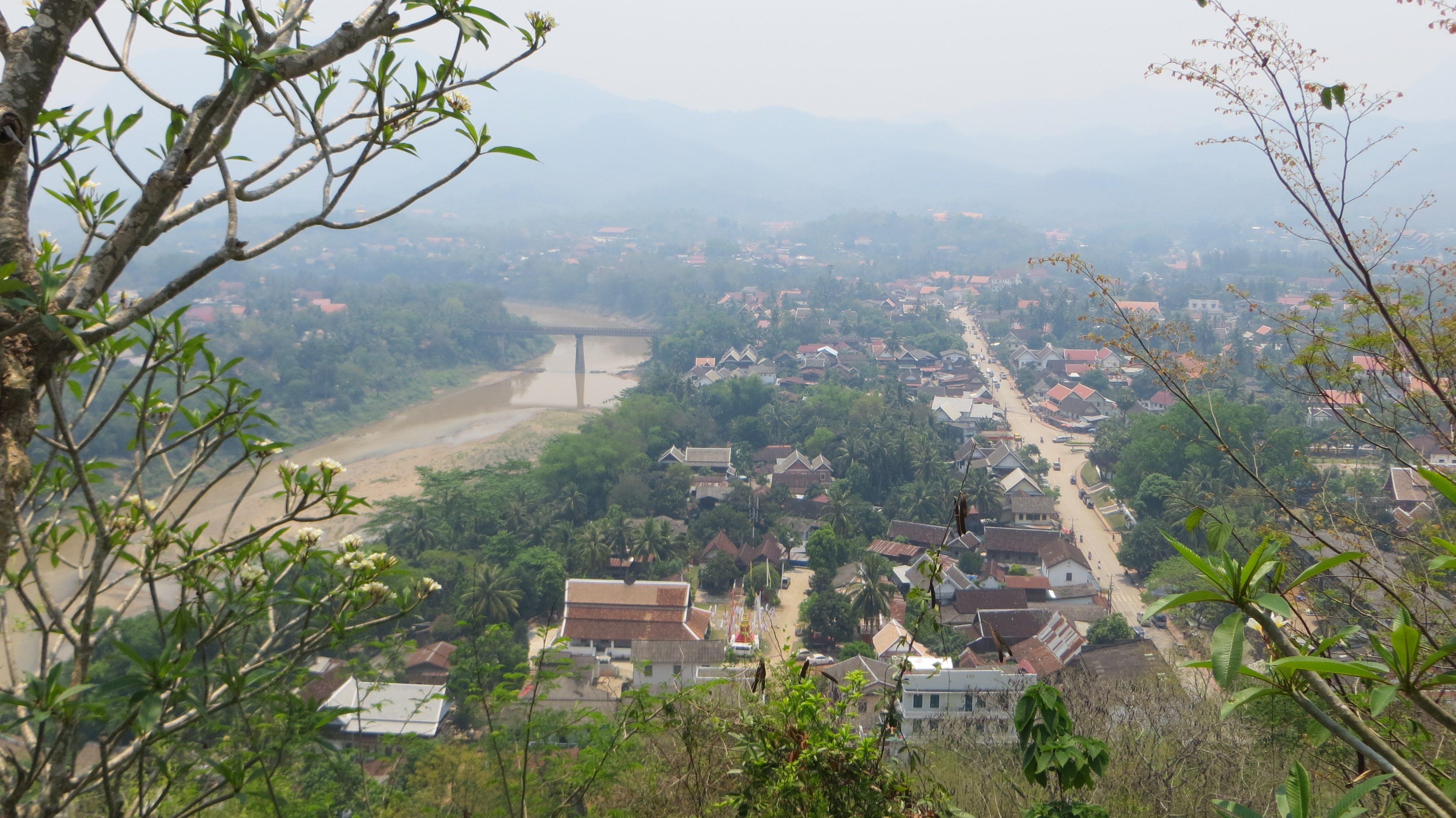
At first, the Mekong looks like an immense line. It appears from a road, between houses, behind a temple or at the end of a dirt path. Its colour changes with the sky, season and hour: brown, silver, almost still, then suddenly powerful as a boat crosses the current.
The eye first seeks a landscape. Gradually, it sees something else. The river carries passengers, goods, habits, distances and memories. It sometimes separates and often connects. What looked like scenery becomes a presence.
A morning that is not asking to be watched
Near the river, the day begins before the visitor has found a place in it. A boat pulls away, goods are laid out, voices cross a courtyard, a motorbike slows and the first meals are prepared beneath mist on the opposite bank.
Nothing is arranged to make an image. The landscape exists through ordinary gestures. A peaceful scene does not sum up a country, and a photograph reveals only a fraction of what is taking place. Some moments are precious because they continue without us.
Waiting before the crossing
A crossing often begins before departure. People wait for the boat, a missing passenger, bags to be loaded and everyone to settle. The announced hour offers a direction more than a minute-by-minute promise.
The wait may first seem empty. Then the eye settles on the banks, gestures, children boarding, goods protected from the sun and conversations whose words remain unknown. The passage has already begun: it changes our relationship with time before moving us from one bank to the other.
Some crossings begin in the way we accept the wait.
What apparent slowness conceals
Laos is often described through gentleness. The feeling may be real, yet it is incomplete. Behind the calm perceived by a visitor, days are at work: markets begin early, roads demand endurance, families organise, and the river transports, feeds, slows and requires adaptation.
Visible slowness may conceal continuous activity. Holding that nuance prevents everyday life from becoming a tranquil backdrop; the gaze can remain sensitive without simplifying what it sees.
What a riverbank says about a territory
From the water, villages appear in fragments: steps leading down, laundry drying, a roof in the vegetation, children watching the boat and a temporary beach made possible by the water level.
The bank reveals how a territory adjusts to season, current, distance and available resources. What the traveller experiences is also a place of work, movement and life. The river shows how people live with it.
The second look
On the first day, a temple, mountain, boat or light stands out. On the second, rhythms become visible. By the third, small bearings feel familiar: where to buy water, the path to the bank, the hour when heat fades, the terrace from which one hears more than one sees.
Time in one place narrows the distance between the imagined and lived place. The landscape becomes less spectacular and more precise; it does not reveal a secret, it simply ceases to be entirely new.
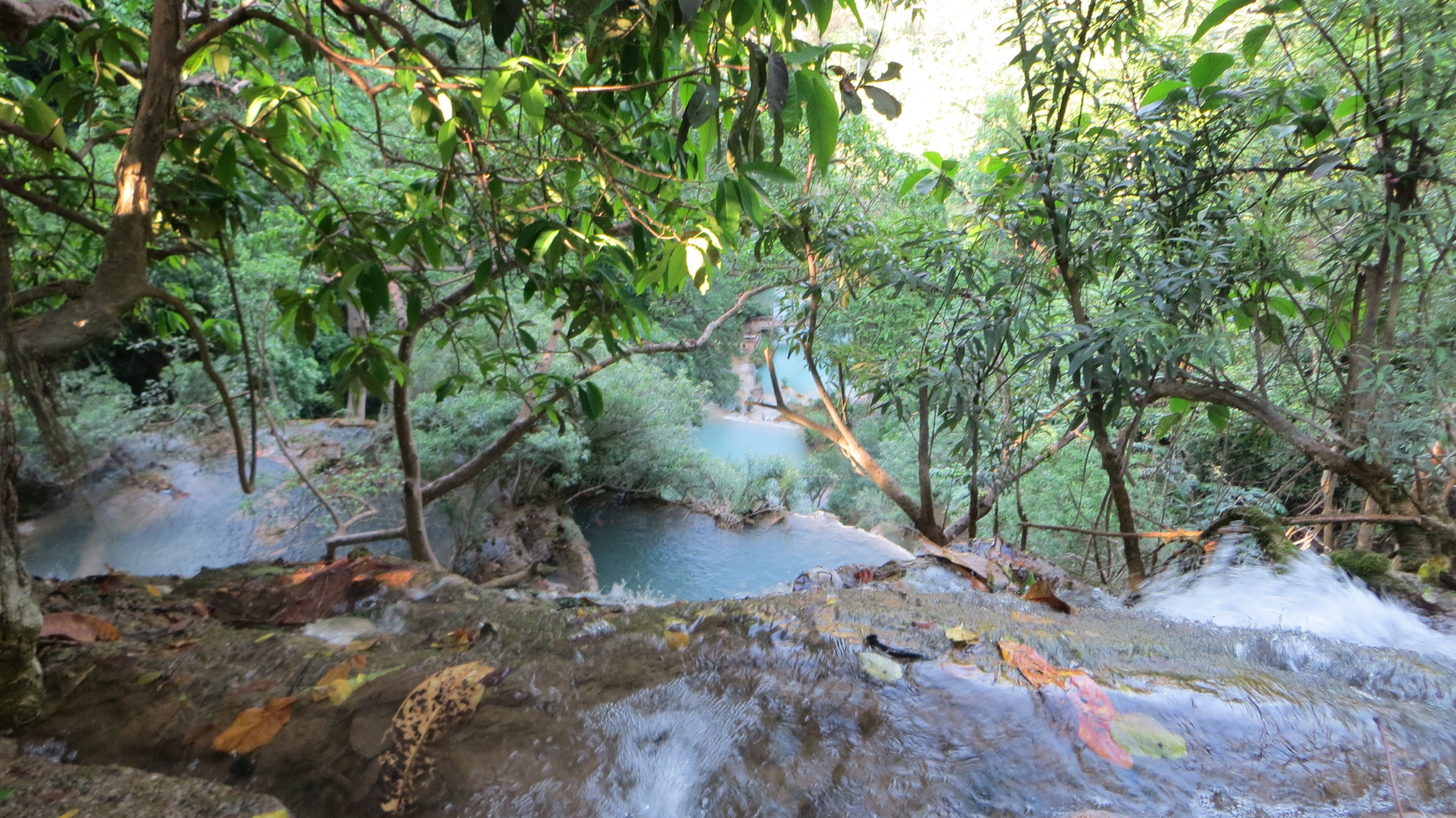
Entering a spiritual place
At some stages, the Mekong leads towards places marked by history and spirituality. The approach matters as much as arrival: the boat advances, rock draws near, an entrance appears slowly, the light changes and voices fall quiet.
A spiritual place asks for appropriate dress, attitude and consideration for those who are there for reasons other than visiting. Discretion leaves room for silence, local practice and what cannot be fully translated for a traveller.
What the river continues to organise away from the water
Leaving the bank does not end its influence. Roads follow relief, cross villages and fields, and often take far longer than the map suggests. In a rushed itinerary they feel like delays; in a more generous one they become transitions in their own right.
The landscape, altitude and houses change. The country is also told between stages, and the road reveals continuities that isolated points on a map erase.
The river and the hours
The Mekong does not force anyone to become slow. It asks us not to press every moment into producing an immediate feeling, photograph or conclusion. Some places require several looks; some impressions need evening; some encounters remain brief and incomplete.
Some landscapes offer nothing spectacular yet quietly change the way we use our hours. The river imposes nothing. It simply offers another measure.
Travelling through Laos with consideration
A coherent Laos journey protects a few simple principles: long enough stages, realistic transfers, room for weather, respectful dress in spiritual places and constant attention to lived spaces.
The country may look easy to cross on a map, but its roads, relief and timings require choices. Fewer regions leave more room for crossings, halts, changes of light and everything between the main destinations.
Key points
- The Mekong is at once landscape, passage and everyday space.
- Waiting belongs to a crossing when we make room for it.
- Several nights in one place help us move beyond a first impression.
- Spiritual places call for a discreet, attentive entrance.
- In Laos, a tighter itinerary makes distance, transition and life around the river easier to perceive.